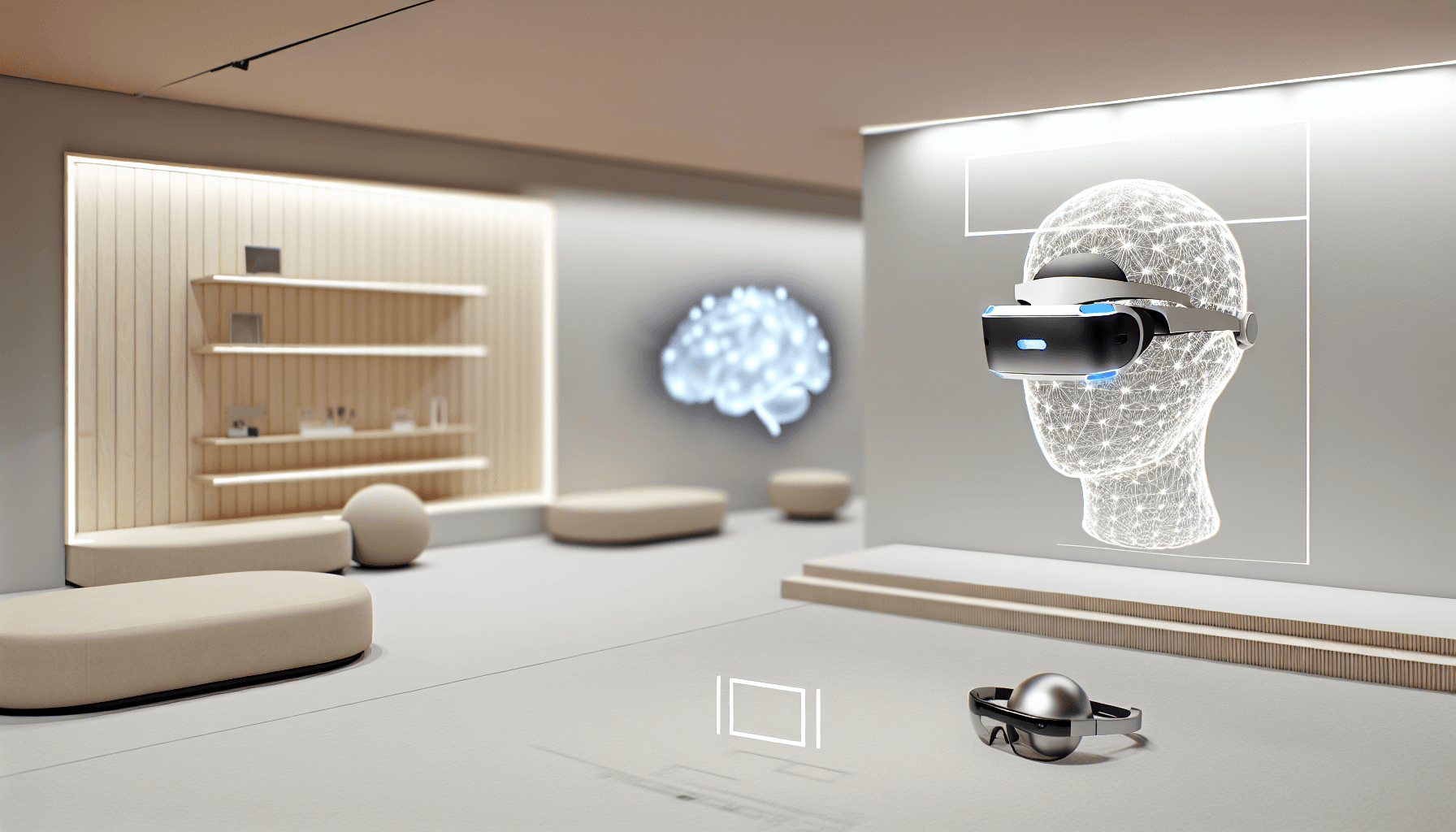
AI and Virtual Reality: Transforming Customer Experiences in Retail
The retail landscape is undergoing a transformative shift with the integration of AI and VR technologies. AI and VR in retail create a powerful synergy that revolutionizes how consumers shop, offering immersive and personalized experiences that meet the growing demands of modern customers. With 71% of consumers expressing a preference for personalized interactions, businesses are increasingly turning to AI and VR to fulfill these expectations.
Understanding the Role of AI in Retail
AI is revolutionizing retail by leveraging machine learning algorithms and generative AI to analyze customer data and deliver personalized experiences. AI in retail involves using sophisticated technologies to enhance customer service, optimize inventory, and deliver tailored product recommendations. Through AI-driven retail experiences, businesses can create hyper-personalized shopping environments, making use of AI virtual assistants that guide customers with smart product suggestions.
Benefits of AI in Retail:
- Personalized Recommendations: AI algorithms analyze customer behavior and preferences to recommend products tailored to individual tastes, thereby increasing customer satisfaction and loyalty.
- Predictive Shopping: By predicting customer needs and automating shopping processes, AI streamlines the buying journey and helps in proactive inventory management.
- Operational Efficiencies: AI enhances inventory management, ensuring that the right products are available at the right time, reducing waste and optimizing stock levels.
By implementing AI in retail, businesses not only enhance the shopping experience but also achieve operational efficiencies that boost their bottom line.
Exploring the World of VR in Retail
Virtual Reality (VR) in retail is transforming how consumers engage with brands by creating 360-degree immersive environments. VR employs head-mounted displays and simulations to offer interactive and engaging shopping experiences. With VR, customers can virtually try on clothes, explore 3D showrooms, and use smart fitting rooms, thereby enhancing their interaction with products.
Applications of VR in Retail:
- Virtual Try-Ons: Customers can virtually try on clothing or makeup, enabling them to make purchasing decisions with confidence.
- 3D Showrooms: Virtual environments showcase products in a lifelike setting, allowing customers to explore products from the comfort of their homes.
- Interactive Store Maps: VR aids in navigating physical stores with virtual maps, improving in-store experiences and facilitating smoother product discovery.
The use of VR in retail not only elevates customer engagement but also expands the possibilities for product exploration and discovery.
Synergy Between AI and VR in Retail
The integration of AI and VR creates a synergistic experience that enhances customer engagement and personalization in retail. These technologies work hand-in-hand to create customized virtual environments powered by AI-driven insights. By offering predictive features, AI and VR transform the shopping experience into one that anticipates customer needs and preferences.
Key Aspects of AI and VR Synergy:
- Personalized VR Layouts: AI customizes VR shopping environments, enriching virtual shopping experiences with tailored layouts and product suggestions.
- Cloud and 5G Integration: The deployment of cloud and 5G technologies facilitates seamless AI and VR integration, leading to immersive customer engagement and satisfaction.
- Enriched Shopping Experiences: AI-driven insights inform personalized product showcases, enhancing the immersive aspects of virtual store experiences.
This synergy ensures that customer interactions are more engaging, ultimately boosting brand loyalty and sales.
Case Studies and Examples in Action
Several leading retailers have successfully implemented AI and VR technologies, setting benchmarks in customer engagement and satisfaction.
Examples of AI and VR in Retail:
- IKEA Place: This AR/VR app enables customers to place virtual furniture in their homes before buying. The app has boosted purchase likelihood by 65% while reducing returns by 20%, offering efficient shopping and high customer satisfaction.
- Walmart: Walmart uses VR for employee training and AR for virtual try-ons, offering sophisticated shopping features that enhance the customer experience and increase engagement.
- Savage X Fenty: By using AI, AR, and digital twins, Savage X Fenty brings innovative in-store technology that scans bodies for accurate fit recommendations, improving customer satisfaction and in-store experiences.
These case studies demonstrate measurable outcomes, such as increased purchase likelihood and reduced returns, affirming the effectiveness of AI and VR integration in retail.
Advantages of Using AI and VR Together in Retail
The marriage of AI and VR technologies provides several competitive advantages for retailers looking to differentiate themselves in a crowded market.
Key Benefits Include:
- Enhanced Personalization: AI personalizes VR content, leading to higher conversion rates and customer satisfaction.
- Reduced Returns: Virtual try-ons increase buyer confidence, significantly reducing the rate of product returns.
- Operational Efficiency: AI and VR facilitate efficient staff training and store navigation, minimizing disruptions and enhancing operational flow.
- Increased Engagement: Immersive shopping experiences, powered by AI-driven insights, increase customer engagement and purchasing likelihood.
These advantages not only enhance the customer experience but also bring tangible benefits to retailers in terms of sales and operational metrics.
Challenges and Considerations of AI and VR in Retail
Despite their benefits, the integration of AI and VR in retail is not without challenges. Key considerations include technological costs and data privacy concerns.
Challenges Associated with AI and VR Integration:
- Technological Costs: The high cost of VR hardware and the complex integration of AI systems pose financial barriers for retailers.
- Data Privacy: The use of AI and VR involves tracking consumer behavior, raising concerns about data privacy and the ethical management of customer data.
- Consumer Trust: Building consumer trust is essential when dealing with personalized data and anonymized interactions through AI and VR systems.
Retailers must address these challenges by implementing scalable and ethical data management practices to ensure consumer trust and continued engagement.
Future Trends in AI and VR in Retail
Looking ahead, AI and VR technologies will continue to evolve, offering even more sophisticated retail experiences.
Upcoming Trends:
- Spatial Computing and WebAR: These emerging technologies blend physical and digital realities, creating more interactive and personalized retail experiences.
- GenAI Digital Twins: Leveraging generative AI to create digital twins of customers for more precise product recommendations and sizing options.
- Predictive VR AI: Advanced AI models will anticipate customer needs and deliver hyper-personalized experiences.
By 2030, these advancements in AI and VR will reshape how retail functions, offering businesses who adopt them a significant competitive edge.
Conclusion: Embracing AI and VR in Retail
The integration of AI and VR in retail is a game-changing development that leads to personalized experiences, reduced returns, and increased sales. Retailers like IKEA and Walmart have already demonstrated the benefits of these technologies, indicating that the future of shopping is here. By embracing AI and VR, businesses gain a competitive advantage, creating engaging and satisfying experiences that resonate with modern consumers.
For those interested in learning more, numerous resources explore the transformation of retail through AI and VR. These insights offer valuable guidance on navigating and leveraging these technological advancements.
Additional Resources
For those eager to delve deeper into the transformative potential of AI and VR in retail, various resources provide detailed insights and predictions for the future. Readers can explore the latest in AR/VR implementations and the predicted trends that could shape the landscape up to 2030, offering a roadmap for future innovations and directions.